

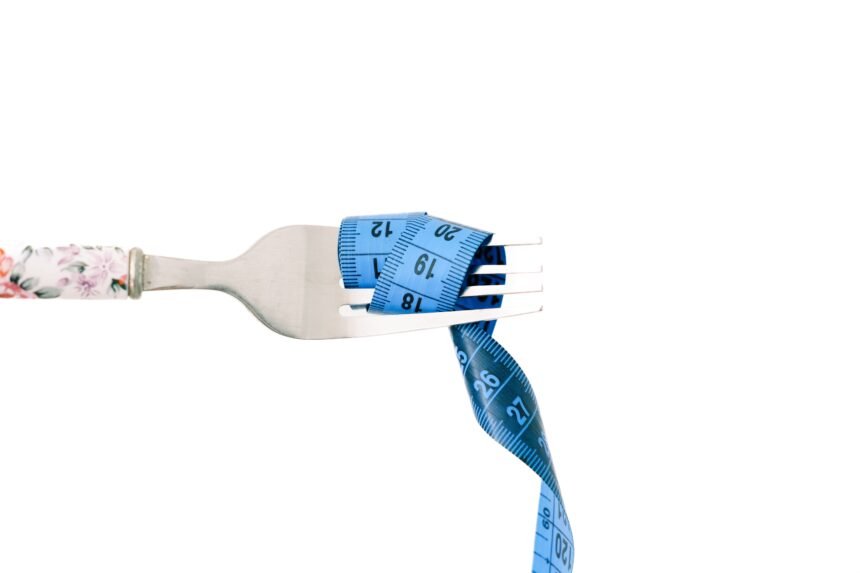
Quick Summary: Eating disorder recovery isn’t just about food. That’s the part everyone focuses on, but it’s so much deeper than that. Your eating disorder is a coping mechanism for something else. It’s about control when everything feels chaotic. Plus, it is about managing emotions you don’t know how to process. It’s about punishing yourself for things that aren’t your fault. Eating disorder recovery means addressing what’s actually driving the behavior, not just forcing yourself to eat normally. You can recover. It takes time and support and honestly, it’s the hardest thing you’ll ever do. But you can get your life back.
Understanding What Eating Disorder Actually Means
Here’s what people don’t understand about eating disorders. It’s not vanity. It’s not about wanting to look like models or celebrities. That’s the surface explanation that makes people uncomfortable with the real truth.
Eating disorders are mental health conditions. They’re coping mechanisms. They’re ways of dealing with pain that feels unbearable. Your eating disorder started for a reason even if you don’t remember exactly when or why anymore.
Your eating disorder served a purpose once. It helped you survive something difficult. But now it’s killing you slowly and you’re stuck in it.
That’s eating disorder recovery. It’s figuring out what you’re actually running from and facing it instead.
How Eating Disorder Feels From The Inside
Nobody talks about what eating disorder actually feels like day to day. It’s torture honestly. Your brain is constantly screaming at you about food.
You wake up and immediately think about what you’ll eat. Or more accurately, what you won’t eat. You calculate calories mentally. You plan your day around avoiding food or restricting it or bingeing and purging.
Your entire existence becomes about managing food. Everything else fades into the background. Relationships don’t matter. School doesn’t matter. Work doesn’t matter. Food is the only thing that matters.
It feels like:
- Your thoughts are consumed by food constantly
- You’re either restricting severely or bingeing uncontrollably
- Your body feels wrong and disgusting no matter what the scale says
- You have no ability to stop even though you desperately want to
- You’re lying constantly about what you’re eating
- You’re hiding food or throwing food away secretly
- You feel guilty and ashamed after eating anything
- You exercise excessively to punish yourself for eating
- Your body is betraying you and you hate it
That’s eating disorder recovery territory. That’s the hell you’re living in.
The Physical Reality
Your body is suffering. Even if you don’t see it yet, it’s happening. Eating disorders damage your body in ways that take years to heal.
Women’s periods stop. Men’s testosterone crashes. Your body literally shuts down reproductive functions because it doesn’t have enough resources to maintain them.
You’re malnourished no matter what you weigh. Your brain isn’t getting the nutrients it needs. That’s why you’re foggy and confused and depressed.
Eating disorder recovery has to address the physical damage too. That’s why medical support matters. Your body needs healing, not just your mind.
Why Eating Disorder Happens
The thing about eating disorder recovery is understanding what triggered it in the first place. Because eating disorders don’t just happen randomly. Something happened that made your brain decide this was the solution.
Maybe you grew up with conditional love. Your parents’ approval was based on achievement or appearance. So you learned that your worth depends on performance and how you look.
Maybe someone made comments about your body. A parent. A peer. A coach. Words that seemed small at the time but lodged themselves in your brain permanently.
Maybe you experienced trauma. Sexual abuse. Assault. Bullying. Your eating disorder became a way to reclaim control over your body when someone else violated it.
Maybe you grew up with perfectionism. Everything had to be perfect. Your grades, your behavior, your appearance. Eating disorder recovery starts when you realize perfection is impossible but your brain won’t let you stop trying.
Maybe you’re an anxious person and food restriction calms your nervous system. It gives you something concrete to control when everything else feels chaotic.
The Role of Perfectionism
Perfectionism and eating disorders go together like they’re best friends. They fuel each other constantly.
Your eating disorder feels like self-improvement. You’re being disciplined, working hard, and are achieving something. That feels good in a twisted way.
The eating disorder becomes proof that you have willpower. That you’re strong. That you’re better than other people who just eat whatever they want.
But it’s killing you and you know it. You just can’t stop because stopping means admitting defeat. And perfectionists don’t do defeat.
Eating disorder recovery means accepting that perfection is impossible and that’s actually okay.
The Mental Health Connection
Eating disorders don’t exist in isolation. They come with other mental health conditions usually.
Depression is almost always there. You’re restricting food and your brain chemistry gets messed up. Depression deepens. It becomes harder to think clearly. Your body feels heavier.
Anxiety is constant. You’re anxious about eating. Anxious about gaining weight, people noticing, and being forced to eat more.
Obsessive compulsive patterns develop. You count calories obsessively, exercise according to rigid rules, and can’t deviate from your rituals.
Trauma responses show up. If eating disorder started from trauma, your nervous system is still stuck in survival mode. You’re protecting yourself with food restriction.
Eating disorder recovery has to address all of this. Not just the food part.
The Reality of Eating Disorder Recovery
Eating disorder recovery is the hardest thing you’ll ever do. Nobody prepares you for how hard it actually is.
You have to rewire your entire brain, and have to change thought patterns that have been there for years. You have to face emotions you’ve been avoiding through restriction.
Eating disorder recovery means eating foods you’re terrified of. It means watching your body change. It means sitting with the discomfort without numbing it with control.
What Recovery Actually Looks Like
Recovery isn’t linear. You have good days and terrible days. You have periods where you feel fine and periods where the urges come back strong.
Recovery looks like:
- Eating three meals a day even when it feels impossible
- Challenging the thoughts that tell you you’re fat and disgusting
- Letting your body exist at whatever weight is healthy
- Feeling your emotions instead of restricting them away
- Rebuilding relationships you damaged through your eating disorder
- Learning who you are outside of your eating disorder
- Forgiving yourself for the time lost to this illness
- Building a life that doesn’t revolve around food
It’s messy and complicated and takes way longer than you want it to.
Getting Professional Help
You can’t do eating disorder recovery alone. You need professionals. Real actual professionals who understand eating disorders deeply.
You need a therapist trained in eating disorder treatment. Someone who gets that this isn’t about willpower. Someone who can help you process what’s actually driving the behavior.
You need a nutritionist who specializes in eating disorders. Not someone who just counts calories. Someone who understands the psychology behind eating disorder recovery.
You might need a medical doctor monitoring your physical health. Your body needs support healing.
You might need medication for depression or anxiety that’s fueling the eating disorder.
Eating disorder recovery requires a team. You can’t do this alone and you shouldn’t try to.
The Cost of Not Recovering
People don’t understand the stakes with eating disorders. This is life or death serious.
Eating disorders have the highest mortality rate of any mental illness. People die from this. Your heart stops. Your organs fail. It happens.
Even if you don’t die, you suffer. You lose years of your life to this. Years you could have been living, experiencing, connecting with people.
Your relationships suffer because you’re emotionally unavailable. You’re focused on food and your body. You push people away who try to help.
Your potential suffers because you’re not operating at your best. Your brain isn’t getting nutrients. You can’t focus. You can’t achieve what you’re capable of.
Moving Forward With Recovery
Eating disorder recovery starts with admitting you have a problem. That you can’t fix this alone. That you need help.
It continues with finding the right treatment. The right therapist, doctors, and right support system.
Recovery means being patient with yourself. Some days you’ll eat and feel okay. Other days you’ll feel like you’re spiraling. That’s normal. That’s part of the process.
Recovery means forgiving yourself for the time lost. For the harm you caused yourself, and not recovering sooner. For the shame you carry.
Most importantly, eating disorder recovery means believing you deserve to recover. Believing your life is worth saving. Believing you’re worth the effort.
You are. You absolutely are.
Reach out today. Tell someone. Get help. Your life depends on it and your life matters.
You can recover. It’s possible. People do it every day.
You can be one of them.