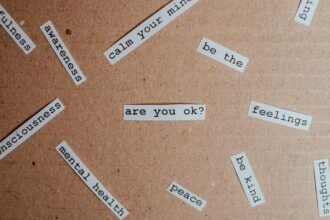


Nothing terrible has happened. Your job is fine, and family is fine. Your health is fine. And yet you’re tired in a way sleep doesn’t touch. Everything feels like effort. Small tasks feel heavy. You may even feel guilty. “What do I have to complain about?” Here’s the thing. This might be emotional burnout. And it doesn’t need a crisis to show up.
What burnout really is
Burnout isn’t just being busy. It’s a deep exhaustion that builds when demands stay high for too long and recovery stays low.
Most people picture it as a work problem. But it can come from caregiving, relationships, constant social duties, or just holding yourself together day after day.
The emotional kind has its own flavor. You’re not only tired. You feel flat, numb, or distant from things you once cared about.
Why it sneaks up
Burnout rarely arrives with a bang. It creeps in.
A bit more stress this month. A few skipped breaks. A weekend spent catching up instead of resting. Each thing seems manageable on its own.
But the load adds up. Your reserves shrink a little at a time. One day you reach for energy, and the tank is empty.
Because nothing dramatic caused it, you may not recognize it. You might blame laziness or a bad attitude. Neither is the cause.
The invisible work
A lot of emotional strain is invisible. You carry it quietly.
Managing other people’s moods. Staying cheerful when you’re drained. Remembering everyone’s needs. Holding back what you really think. Worrying about things that haven’t happened.
This is real labor. Your mind and heart are working all day, even when your body sits still. No wonder you’re tired.
Common signs
Burnout can look different on different people. But some signals show up often.
You feel drained most of the time. You’ve grown cynical or detached. Tasks that used to be easy now feel huge. You’re more irritable. Your motivation has gone quiet. You might get headaches, trouble sleeping, or frequent colds.
Some people also feel like they’re running on autopilot. Going through the motions without much feeling.
If a few of these ring true, take them seriously.
A quick picture
Think of Vikram. He works steadily and loves his family. No major problems.
But he’s the person everyone leans on. Team members vent to him. Friends call when they’re upset. He rarely says no.
Over a year, he notices he’s snapping at small things. He’s lost interest in hobbies. Weekends pass in a blur of lying on the couch.
Vikram isn’t broken. He’s been giving and giving with little coming back in. His emotional bank account is overdrawn.
Why rest alone may not fix it
You might think a long weekend will do the trick. Sometimes it helps a bit.
But if the pattern that drained you stays the same, the tiredness returns quickly. A vacation can’t fix a life that keeps emptying you.
Real recovery needs a mix. Rest, yes. But also changes to what’s draining you, plus things that refill you.
Types of rest you might be missing
We usually think of rest as sleep. But there are different kinds.
Mental rest, where your mind gets a break from problem-solving. Emotional rest, where you can be honest without managing anyone’s reaction. Sensory rest, away from screens and noise. Social rest, with time alone or with people who ask nothing of you.
Ask yourself which one you’re short on. Often it’s the one you’ve ignored the longest.
Small shifts that help
You don’t need a total life overhaul. Start with a few doable moves.
Say no to one thing. Pick a single commitment that’s not essential. Drop it or delay it.
Protect small pockets. Ten quiet minutes between tasks. A walk at lunch. A phone-free morning.
Share the load. Ask for help, even with something small. Most people are glad to pitch in.
Be honest with someone. Tell a friend, “I’ve been running on empty.” Saying it out loud can release a surprising amount of pressure.
Reconnect with joy. Do one thing just because you like it. No goals, no results.
Move gently. A stroll or light stretching. Not a punishing workout.
Keep a steady sleep rhythm. Even if sleep isn’t perfect, regular hours help your body settle.
Look at the bigger picture
It’s worth asking some tougher questions too. What is consistently draining me? What am I saying yes to out of guilt or fear? Where do I never get to rest?
Sometimes the answer points to a boundary you need. Other times, it’s a job or role that no longer fits. These aren’t quick fixes. But naming them is the first step.
Drop the guilt
Many people with burnout feel they don’t deserve to be tired. “Others have it worse.”
That may be true. But pain isn’t a competition. Your exhaustion is real whether or not your life looks fine on paper.
Treat yourself like you would a friend in your spot. You’d tell them to rest, not to toughen up.
When to reach out for help
If you feel hopeless, can’t function, or have thoughts of harming yourself, please contact a mental health professional or a crisis line right away. Burnout can overlap with depression, and both deserve care.
Even if it’s milder, talking to a therapist or doctor can help you sort out what’s going on and plan a way forward.
A gentler way forward
Emotional burnout isn’t a character flaw. It’s a signal. Your system is saying, “This pace isn’t sustainable.”
Listen to it. Not later, when things calm down. Now, in small ways.
Rest more. Give less than everything. Let yourself be a person, not a machine.
You don’t need a reason big enough to justify being tired. You’re tired. That’s reason enough to take care of yourself.