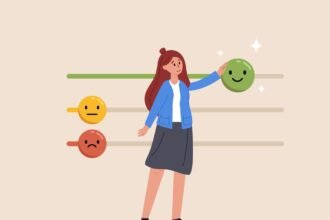


Holding everything in can feel easier in the moment. You stay quiet, avoid conflict, and act normal even when something inside feels heavy. On the surface, everything looks fine. But inside, bottling up feelings continues quietly.
There is no sudden explosion. No clear warning. Just a slow build-up while life keeps moving. Emotions do not disappear when ignored. They stay in the background. They stack in layers. Over time, they shape thoughts, reactions, and relationships. This is how emotional strain starts without obvious signs.
What is Bottling Up Feelings?
Bottling up feelings means pushing emotions inward instead of letting them move out. Sadness is ignored. Anger is hidden. Disappointment is pushed aside. Even small discomfort is postponed. At first, it feels like control. It feels like strength. Life continues, so nothing seems wrong. You tell yourself it will pass. You move on quickly.
But emotions are not meant to stay stored. They are meant to move through expression.
When this repeats, it turns into emotional suppression. Over time, it links with stress from suppressed emotions. This can affect sleep, focus, energy, and even the body. Nothing feels broken at first. Just slightly off. Then repeated. Then normal.
Why I Hide My Feelings
Many people quietly ask: Why I hide my feelings
The answer is rarely simple. It is shaped by experience, environment, and habit.
Some learned early that emotions were not welcomed. Others were told to stay strong instead of speaking up. A certain section were ignored when they tried to open up. Some were misunderstood.
So silence becomes a safe place.
Common reasons include fear of judgment, fear of conflict, not wanting to burden others, or not having words for inner experiences. Slowly, silence becomes automatic. Emotional checking stops. Awareness reduces. Life continues, but something feels distant inside.
Emotional Awareness is the First Step
Before learning how to express emotions, there is something more basic called emotional awareness. You cannot express what you do not notice. So the first step is very simple. Pause during the day. Check in with yourself.
Ask:
- What am I feeling right now
- Where do I feel it in my body
- What triggered this moment
No fixing, judging, and analyzing deeply. Just noticing. This builds a quiet connection with your inner world. One small moment at a time.
Emotional Release Techniques that Feel Natural
Emotional release techniques do not need to be complicated. Simple actions often work better because they are easier to repeat. Writing helps. You can write without structure. No grammar pressure. No editing. Just thoughts as they come.
Naming emotions also helps. Words like sad, angry, anxious, tired, or overwhelmed reduce internal intensity. Sometimes one honest sentence is enough. Something like “today felt heavy” or “I feel off” can create relief. Movement supports release too. Walking without distraction, stretching slowly, or controlled breathing helps the body let go of tension.
These methods do not remove feelings instantly. But they allow movement instead of blockage.
Dealing with Emotions Healthily
Dealing with emotions healthily is not about controlling emotions. It is about understanding them without avoidance.
Every emotion carries meaning.
Anger often signals a boundary issue. Sadness often signals loss. Anxiety often signals uncertainty. Frustration often signals unmet needs. When emotions are seen as signals instead of problems, everything shifts. Instead of reacting quickly, there is a pause. Instead of avoidance, there is observation. That small pause creates clarity. And clarity reduces confusion inside.
Communication in Relationships
When emotions are not shared, communication in relationships becomes harder.
Misunderstandings increase. Silence replaces clarity. Assumptions grow where words are missing. You may expect others to understand without speaking. Additionally, you may also withdraw during tension. Also, you may avoid emotional conversations. Over time, distance grows slowly. Healthy communication does not need perfect language. It needs small honesty.
Simple sentences help:
- “I need some time”
- “That didn’t feel right”
- “I want to talk, just not now”
These small lines reduce emotional buildup between people. They replace confusion with understanding.
Mental Health Emotional Habits
Daily emotional patterns form mental health emotional habits. If feelings are ignored often, silence becomes automatic. Plus, if thoughts are overworked alone, loops begin. If expression is avoided, pressure builds quietly. These habits are not loud. They are subtle. But they shape emotional stability deeply. Healthier habits are simple. Checking in once or twice a day helps. Naming emotions builds clarity. Writing thoughts reduces mental noise. Speaking small truths builds emotional honesty.
Consistency matters more than intensity.
Small actions repeated often create real change over time.
Healthy Emotional Expression
Healthy emotional expression is not about being emotional all the time. It is about being honest in a balanced way. This means feeling without judgment. Also, it means expressing without explosion. It means responding instead of reacting. It also means listening inwardly instead of ignoring signals. Not every emotion needs to be shared everywhere. That is not the goal.
The goal is awareness and timing.
You express when it feels safe, hold when it is needed, and choose instead of reacting automatically. That balance creates emotional stability that feels steady and grounded.
Emotional Awareness in Daily Life
Building emotional awareness into daily life does not need complex routines.
It can stay simple.
In the morning, ask how you feel starting the day. During the day, pause briefly and check in. At night, reflect on one honest thought.
That is enough.
This creates rhythm without pressure.
Over time, patterns become visible. Certain situations trigger certain emotions. People also affect mood differently. Certain thoughts repeat. This awareness helps you respond instead of reacting automatically.
What Changes when Bottling Up Feelings Reduces
When bottling up feelings slowly reduces, changes appear gradually. There is less internal pressure. Thoughts feel clearer. Sleep becomes easier. Emotional reactions feel less intense. Conversations become smoother. Self-understanding grows. Life does not become perfect.
But it becomes lighter.
There is more space inside the mind. Less weight sitting quietly in the background.
That shift changes how daily life feels.
Final Thoughts
Emotions are not problems to remove. They are signals to understand. When ignored, they turn into pressure. When noticed, they turn into clarity. Emotional suppression often builds quietly over time. But it can shift through awareness and small daily changes. With emotional release techniques, better communication in relationships, and steady mental health emotional habits, the pattern slowly changes.
No need for sudden transformation.
Start small.
Notice what is present. Name it simply. Allow it to exist. Express it gently when ready. That is how healthy emotional expression begins to grow naturally. And over time, it becomes part of how life flows, not something forced.