
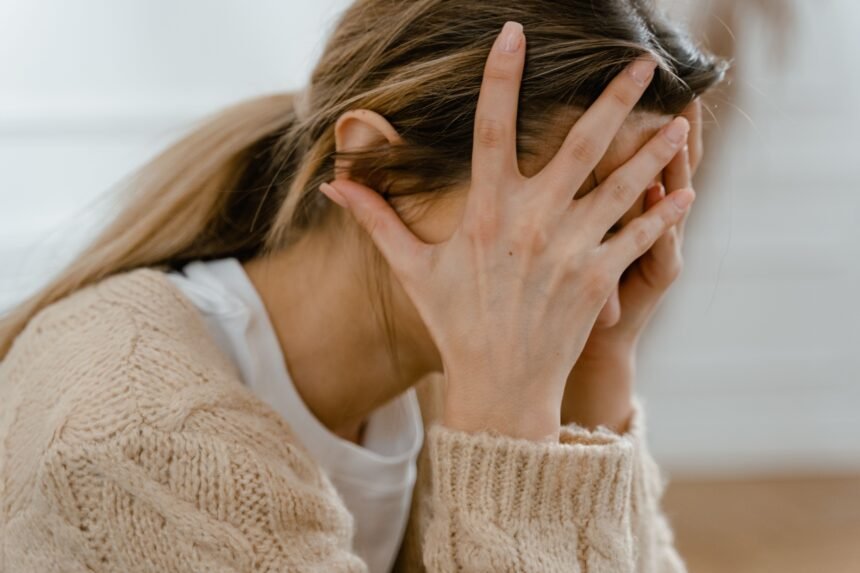
You’re not fighting. Nothing dramatic happened. However, you notice yourself answering in shorter sentences. You will also be spending more time alone than usual. This lets you feel a strange distance from someone you love even while sitting right next to them. This quiet pulling away can be confusing. Especially for both for the person doing it and the person watching it happen. This is because it so often shows up without any clear, identifiable trigger.
Understanding why this happens matters. This is because emotional withdrawal gets misread constantly, by both sides. This is read as a sign that love has faded or that something is fundamentally wrong. Often, it’s neither of those things. It’s usually something else entirely. So, understanding what that something else actually is can change how you respond to it in yourself and in the people you love.
It’s often Protection, not Rejection
One of the most common reasons people withdraw is that some part of them feels overwhelmed and doesn’t yet have another way to cope with that feeling.
Pulling away can be an unconscious attempt to protect yourself, from vulnerability, from conflict, from feelings that feel too big to bring into a shared space with someone else right now.
Past Experiences Quietly Shape this Pattern
For a lot of people, emotional withdrawal traces back to earlier experiences. This is where closeness didn’t feel safe. This can mean being vulnerable led to disappointment, criticism, or abandonment. Even if the current relationship is genuinely safe and loving, an old pattern can still activate. This can pull someone toward distance as a protective reflex. This had developed long before this particular relationship even existed.
This is worth understanding with real compassion. Both for yourself if this is your pattern. It can also be the same for someone you love if it’s theirs.
The withdrawal isn’t really about the present relationship failing to be good enough. It’s an old response showing up in a new context, one that hasn’t yet caught up with the fact that this relationship might actually be different from whatever taught the nervous system to expect danger in closeness in the first place.
What Withdrawal Looks like from the Outside
It can show up as shorter conversations, needing more time alone than usual, seeming distracted or distant during moments that used to feel easy and connected.
Sometimes it’s more subtle, a slight delay before responding, a noticeable absence of the small check ins that used to happen naturally throughout an ordinary day.
None of these signs alone confirm anything specific. Context matters enormously here. A single quiet week rarely means much on its own. A sustained pattern over months, especially one that seems to deepen rather than ease, deserves a more direct, honest conversation rather than continued silent observation and private worry from a distance.
How to Respond if Someone You Love is Withdrawing
If someone you care about seems to be pulling away, resist the urge to immediately assume the worst or to chase them for reassurance, which can sometimes push withdrawal further rather than easing it.
Instead, gently make space available without demanding an explanation right away. Something like “I’ve noticed you seem a bit distant lately, I’m here whenever you’re ready to talk” respects their process while keeping the door genuinely open.
Patience matters here more than most people expect. Withdrawal that stems from old protective patterns often eases gradually, through consistent, low pressure safety, rather than through direct confrontation or repeated requests to explain exactly what’s wrong right now.