

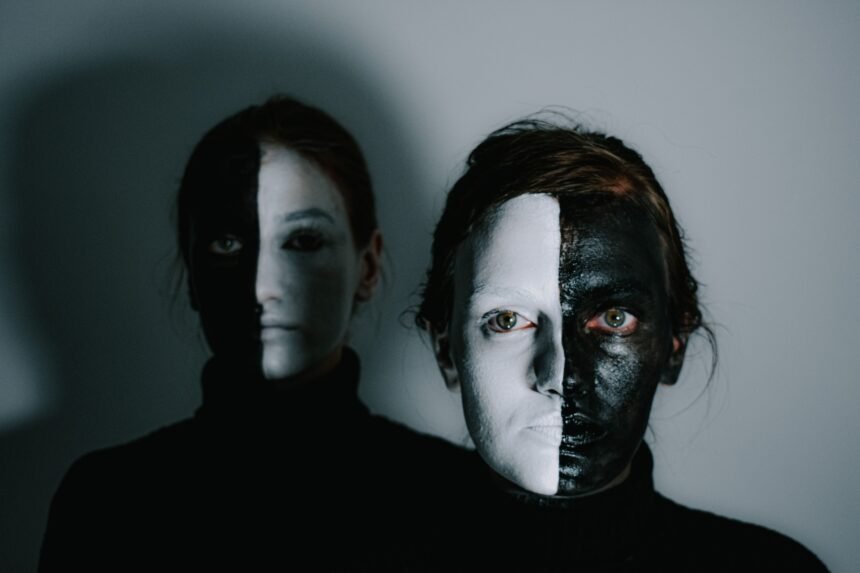
“I’m so bipolar today.”
You’ve probably heard that. Maybe even said it. Someone changes their mind twice and suddenly they’re “bipolar.” It’s become a throwaway phrase. And honestly, it’s done a lot of damage.
Because bipolar disorder isn’t mood swings. It’s not being a bit moody on a Tuesday. It’s a real, diagnosable mental health condition. It involves distinct episodes. Mania on one end. Depression on the other. And each episode can last for days, weeks, sometimes longer. Long enough to seriously disrupt someone’s job. Their relationships. Their daily life.
Let’s break down what bipolar disorder actually is. What causes it. And what treatment really looks like, once you get past the stigma and the stereotypes.
So what is Bipolar Disorder, really?
At its core, bipolar disorder is about extreme shifts. Mood. Energy. Activity levels. Not the normal ups and downs everyone has. Something bigger.
These aren’t reactions to a bad day at work. They’re distinct episodes. A real change from someone’s usual self. Often noticeable enough that friends and family pick up on it before the person does.
Two poles. That’s where the name comes from.
Mania — or hypomania, its lighter version — sits on one end. Think elevated mood. Or irritability. Racing thoughts. Barely sleeping and not feeling tired. Big, impulsive decisions. A sudden burst of confidence that feels unstoppable.
Depression sits on the other end. And this one looks more familiar to most people. Low mood. No interest in things that used to matter. Constant fatigue. Trouble focusing.
Here’s the thing though — between episodes, a lot of people with bipolar disorder function completely normally. Which is exactly why it can go unnoticed for years.
Not One Size Fits All
Bipolar disorder isn’t just one thing. It shows up differently in different people. And it’s usually grouped into a few types.
Bipolar I involves at least one full manic episode. Sometimes severe enough to need hospitalisation. Often paired with depressive episodes too.
Bipolar II is a bit different. It’s a pattern of depression and hypomania. Hypomania is milder than full mania. Less disruptive on the surface. Which is exactly why Bipolar II often gets missed. Or mistaken for plain depression.
Then there’s cyclothymic disorder. This one involves ongoing hypomanic and depressive symptoms. They don’t quite meet the criteria for full episodes. But they stick around. Often for two years or more.
And even within each type, things vary. How often episodes hit, and taking a note of their intensity. How much time passes in between. No two experiences look exactly alike.
Where does it Come from?
There’s no single cause. That’s actually pretty typical for mental health conditions in general.
Genetics plays a role. Having a close family member with bipolar disorder raises the odds. But it’s not a guarantee, either way.
Brain structure matters too. So does brain chemistry — specifically the neurotransmitters that regulate mood.
Then there’s environment. High stress. Major life upheaval. Poor sleep. Substance use. None of these cause bipolar disorder on their own. But in someone already predisposed to it, they can trigger an episode.
This matters because there’s a common misconception out there. That bipolar disorder is just about willpower. Or personality. Or how someone “handles stress.”
It isn’t. Not even close.
Getting Diagnosed isn’t Quick — and that’s Intentional
There’s no blood test for this. No scan that confirms it. A diagnosis comes from a mental health professional. Someone who looks at a person’s history of mood episodes over time.
Family input helps too. Sometimes people don’t fully register what happened during a manic episode. It can feel good in the moment. Even productive. Family members often see it more clearly.
This is also why misdiagnosis happens a lot. People usually seek help during a depressive episode. Not during mania or hypomania, since that phase doesn’t always feel like a problem while it’s happening.
And getting it right matters. Treating bipolar disorder like straightforward depression can actually make things worse, if the bipolar piece goes unaddressed.
What Treatment actually Looks like
Bipolar disorder is long-term. So treatment tends to focus on long-term management. Not a quick fix that wraps everything up.
But here’s the encouraging part — with the right plan, most people manage it well. They build stable, functional lives.
Treatment usually combines a few things.
Medication comes first for most people. Mood stabilisers, typically. Sometimes alongside antipsychotics or antidepressants, depending on the individual case.
Therapy helps too. Cognitive behavioural therapy especially. It teaches people to spot early warning signs. And build real coping strategies before things escalate.
Lifestyle matters more than people expect. Consistent sleep. Stress management. Staying away from substances that can trigger episodes. These aren’t extras. They’re part of the plan.
And treatment looks different for everyone. Type of bipolar disorder. How severe it is. How someone responds to different medications. All of it shapes the plan. Usually worked out with a psychiatrist, over time. Not settled in one appointment.
Living with it
Here’s something worth knowing — consistent treatment makes a real difference. A big one.
People with bipolar disorder build careers. Maintain relationships. Live full lives. The chaotic, unmanageable image so many people carry around? It doesn’t match reality for most people who stick with treatment.
Support matters here too. Family and friends who can spot the early signs of an episode, before it spirals. That kind of awareness helps more than people realise.
And honestly, understanding the condition — instead of tossing the word around casually — goes a long way. It chips away at the stigma. The stigma that keeps too many people from asking for help in the first place.
If any of this sounds familiar, either for you or someone close to you, the next step is simple. Talk to a doctor. Or a mental health professional. Bipolar disorder is manageable. An accurate diagnosis is just the starting point.