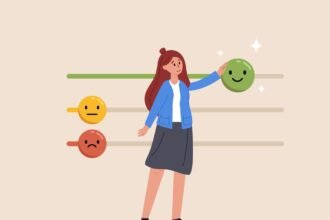


You hear this phrase almost everywhere now. Social media feeds. Work meetings. Random conversations. Even casual talks with friends. Mental health. Still, most people do not really pause to understand what it means in normal life. It is not only about medical labels or serious conditions. Additionally, it is also about how your thoughts move, how you react, how you recover, and how you handle ordinary days.
And yes, it shapes more than people usually admit.
Mental health and what it really means
Mental health is your inner balance state.
It affects how you deal with pressure situations.
Also, it shapes how you respond when things feel uncertain.
Additionally, It influences how you connect with people around you.
In short, it is not something fixed in one position. It keeps changing.
Some days feel smooth. Some days feel heavy without reason.
Both are part of normal experience.
What matters is not perfection.
What matters is noticing patterns.
When you observe yourself, understanding slowly improves.
Daily routines
Many people think mental health shows up only in extreme moments.
That is not how it works.
It is present in small everyday actions.
Like:
- waking up tired even after sleep
- feeling irritated by small delays
- losing focus during simple work
- avoiding calls or replies without clear reason
These signs are easy to ignore. But they do not disappear on their own. When mental load increases, even simple tasks feel heavier than usual. That is usually the first quiet signal.
Emotional overload
Life today is constantly active. Work demands. Notifications. Social comparison. Information flow. Even during rest, the mind continues processing. This creates inner clutter. You may not feel clearly sad or anxious.
Instead, the feeling becomes different.
- low energy
- mental fog
- reduced motivation
- slow thinking
This is not lack of effort. It is fatigue at a mental level. Nothing is “wrong” with you. The system is simply overloaded.
Why small stress feels big
Some days, even small situations feel intense.
A late message.
A small mistake.
A change in plan.
A mild disagreement.
On normal days, these are manageable. Then, on heavier days, they feel amplified. The reason is simple. Your mental space is already full. Think of it like storage on a device. When memory is almost full, even small actions slow everything down. Your mind behaves in a similar way. Less space creates stronger reactions.
Emotional patterns
Every person reacts differently under pressure.
Some common patterns include:
- shutting down completely
- overthinking situations repeatedly
- avoiding social interaction
- distracting instantly
- trying to control everything
These are not random behaviors. They are learned responses built over time. They once helped in certain situations. However, using only one pattern for everything creates imbalance.
Examples include:
- avoiding conversations too often
- working excessively to escape thoughts
- constant scrolling to avoid silence
- isolating during stress periods
Short term comfort exists here. Long term pressure increases quietly.
Pressure to appear fine
One hidden struggle today is appearance. The pressure to look okay. Even when things feel different inside. People mostly share highlights online. Happy moments. Achievements. Clean versions of life. But that is not the full picture. So comparison starts automatically. And it feels unfair. You begin to think others are managing life better. Even when they are also struggling privately.
This silent comparison slowly builds pressure.
Mental health and burnout signs
Burnout does not usually arrive suddenly. It builds step by step.
You may notice:
- reduced interest in activities
- constant tiredness without reason
- irritation over small things
- emotional dullness
- difficulty starting tasks
The strongest sign is not exhaustion alone. It is emotional distance. Things that once mattered start feeling far away. That is not failure, it is a signal. Your mind is asking for rest. Not more pressure.
Mental health and overthinking loops
Overthinking feels like active thinking.
But it rarely leads anywhere.
It often begins with simple thoughts.
Did I say something wrong.
What if I handled it badly.
What if something goes wrong later.
Then the cycle repeats. Same idea. Different version. No solution appears. Only mental load increases. It feels productive. But it is stuck processing.
Helpful interruptions include:
- changing location
- walking slowly for a while
- doing a physical activity
- talking to someone
Movement breaks the loop pattern.
Read to know more: Mental Health Importance and Reasons You must Take it Seriously
Mental health and the role of rest
Rest is often misunderstood. It is not just inactivity. This is because it is recovery time. Not everything called “break” is actual rest.
Not helpful rest:
- endless scrolling
- late night screen exposure
- constant task switching
Helpful rest:
- proper sleep cycles
- quiet time without input
- slow breaks without stimulation
- moments of doing nothing intentional
Rest is not optional. It is maintenance for the mind. Without it, strain builds silently.
Mental health and relationships
Your internal state influences connections with others. When energy is low, behavior changes.
You might:
- withdraw from conversations
- misinterpret tone easily
- react faster emotionally
- avoid communication
This does not mean relationships are broken. It only means capacity is reduced. Clear communication helps more than silence. Even a simple sentence works:
“I am not feeling very okay today.”
It reduces misunderstanding on both sides.
Mental health and self expectations
A lot of pressure comes from within. Not from outside.
You might expect yourself to:
- stay productive all the time
- reply instantly always
- feel motivated daily
- manage everything smoothly
But this is unrealistic. No one operates at full capacity every day. Energy naturally moves in cycles. Some days are active. Some days are slow. That is normal functioning. Not weakness. The issue begins when consistency is expected every single day.
Mental health and small recovery habits
Big changes are not always necessary. Small adjustments matter more.
Simple actions include:
- turning off extra notifications
- taking short pauses between work
- writing thoughts instead of holding them
- focusing on one task at a time
- stepping outside briefly
These look minor. But they reduce internal load gradually. Consistency matters more than intensity. Small repeated actions create real change over time.
Mental health and asking for support
Many people delay reaching out. They feel they should manage everything alone. This often leads to isolation. And isolation increases stress levels. Support is not weakness. It is structure.
Support can come from:
- friends
- family
- mentors
- professionals
Talking does not solve everything instantly. But it reduces internal pressure. Even speaking thoughts out loud brings clarity. You do not need to carry everything alone.
Mental health is part of everyday life
Mental health is not separate from routine.
It exists inside it.
In how you wake up, think, and respond.
It is also in how you rest.
In addition, it is also in how you connect, and recover.
Some days feel balanced. Some days feel off. Both are normal. The goal is not constant happiness, but awareness.
Knowing when to slow down, pause, and understanding when to reset.
Small steps matter.
A calmer routine.
A lighter mind.
A bit of honesty with yourself.
That is enough to shift direction slowly over time.