

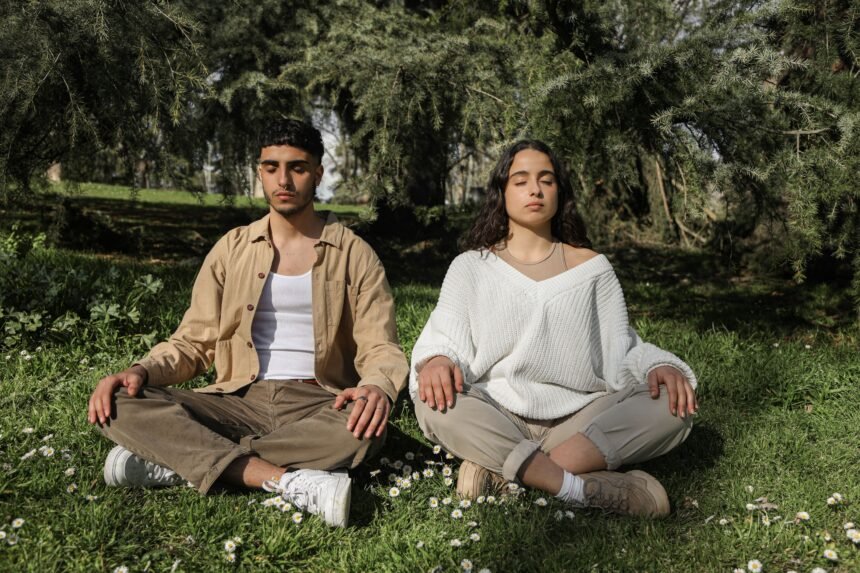
You open your eyes and your mind is already running. Emails. Deadlines. That awkward thing you said yesterday. Your heart is thumping before your feet even touch the floor. Sound familiar? Mornings can be rough when you live with anxiety. The day hasn’t even started, and you’re already tired. But here’s a small idea that might help. Ten minutes. A quiet spot. Your breath. That’s the heart of meditation for anxiety. It isn’t magic, and it won’t erase your worries. But it can give you a calmer place to start from. And you don’t need any experience to try it.
Let’s walk through how.
What Meditation Can (and Can’t) Do
First, some honesty. Meditation isn’t a cure for anxiety disorders. It won’t switch your thoughts off. And it doesn’t replace professional care when you need it.
What it can do is teach you to notice your thoughts without getting swept away by them. Over time, many people find they feel a bit more grounded. A bit less reactive. A bit more able to pause before spiraling.
Research on mindfulness-based approaches has shown helpful effects for some people with anxiety, though results vary from person to person. Think of it as a skill you build slowly, like learning to ride a bike.
Why Mornings Work Well
You can meditate any time. But mornings have some perks.
It sets the tone. A few calm minutes before the day begins can shape how you meet it.
It’s quieter. Fewer distractions, fewer demands. The world hasn’t caught up with you yet.
It builds a habit. If you attach it to your morning routine, you’re more likely to keep going.
It catches anxiety early. Many people feel anxious right after waking. Meditating then gives you a way to meet those feelings head on.
That said, if mornings just aren’t your thing, any time works. The best time is the one you’ll actually stick to.
Common Worries Beginners Have
Before we start, let’s clear up a few myths.
“I can’t stop my thoughts.” Nobody can. Meditation isn’t about having an empty mind. It’s about noticing when your mind wanders and gently guiding it back.
“I’m doing it wrong.” If you’re sitting there trying, you’re doing it right. Wandering thoughts are part of the process.
“It makes me more anxious.” This can happen at first. Sitting quietly may make worries feel louder. That’s okay. Keep sessions short, and stop if it feels like too much. More on that below.
“I don’t have time.” Ten minutes is doable. Even five works.
What You’ll Need
Not much. Just:
- A quiet spot where you won’t be interrupted
- A chair, cushion, or the edge of your bed
- A timer (your phone is fine, just switch on Do Not Disturb)
- Comfortable clothes
That’s all. No candles required. No special music. Unless you like them, of course.
Your 10-Minute Morning Routine
Here’s a simple step-by-step. Read it once, then try it.
Minutes 0 to 1: Settle in
Sit comfortably. Keep your back fairly straight but not stiff. Rest your hands on your lap. Close your eyes, or look softly at the floor.
Take one slow breath in through your nose. Let it out slowly through your mouth. Do that twice more.
Minutes 1 to 3: Notice your body
Scan from head to toes. Where do you feel tension? Maybe your jaw is tight. Maybe your shoulders are up near your ears.
You don’t need to fix anything. Just notice. If a spot feels tense, imagine breathing into it and letting it soften.
Minutes 3 to 7: Follow your breath
Now bring your attention to your breathing. Feel the air moving in and out. Notice the rise and fall of your chest or belly.
Your mind will wander. It always does. When it does, quietly say to yourself, “thinking.” Then return to your breath.
That moment of coming back is the whole practice. Each time you return, you’re strengthening your attention. Every return counts.
Try counting if it helps. Breathe in, count one. Breathe out, count two. Go up to ten, then start again.
Minutes 7 to 9: Name what you feel
If anxiety is showing up, let it be here. Silently name it: “worry,” “tightness,” “restlessness.”
Then ask, gently, “Can I make a little room for this?” You’re not trying to push it away. You’re just letting it exist without feeding it.
Many people find that feelings soften a bit when they stop fighting them.
Minute 9 to 10: Close gently
Take a few deeper breaths. Wiggle your fingers and toes. Slowly open your eyes.
Before you stand, set a small intention for the day. Something simple, like “I’ll take it one step at a time.” Then get up and go.
Tips to Make It Easier
Start smaller if you need to. Three or five minutes is a great start. Build up slowly.
Use a guided meditation. Hearing a calm voice can help you stay on track. Many apps and free videos offer guided sessions. PureMynd, for instance, includes premium meditations you can unlock through its rewards system.
Keep the same time and place. Routine helps your brain link that spot with calm.
Be kind to yourself. If you skip a day, just start again. No guilt needed.
Try different styles. Breath focus, body scans, walking meditation, and loving-kindness are all options. If one doesn’t fit, try another.
When Sitting Still Feels Hard
Some people find that sitting quietly makes anxiety spike. If that’s you, try these gentler options.
Keep your eyes open. Rest your gaze on a spot on the floor instead of closing your eyes.
Focus on sounds. Listen to the noises around you without labeling them.
Try walking meditation. Walk slowly, feeling each footstep. Movement can feel safer than stillness.
Hold something. A smooth stone or a warm mug gives your attention an anchor.
Shorten the session. One minute, done well, is still a win.
If meditation ever brings up strong distress, painful memories, or panic, it’s okay to stop. Talk to a mental health professional. Some people, especially those with a history of trauma, do better with guidance from a trained therapist.
Make It Stick
Habits take time. Here’s how to give yours the best chance.
Attach it to something you already do. Right after brushing your teeth. Right after you pour coffee. The old habit becomes the reminder.
Prepare the night before. Put your cushion or chair where you’ll see it.
Track it. A simple check mark on a calendar feels satisfying. You can also note your mood before and after. Over a few weeks, you may spot a pattern.
Celebrate small wins. Showing up is the goal. Not perfection.
What Progress Looks Like
Don’t expect fireworks. Progress is usually quiet.
You might notice you catch a worried thought a second sooner. Or that a stressful email doesn’t hit quite as hard. Or that you take one extra breath before reacting.
Those small moments matter. They show your mind is learning a new way to respond.
Give it a few weeks before judging. And keep expectations gentle.
When to Seek More Help
Meditation for anxiety works best as part of a bigger picture. It’s a helpful tool, not a full treatment plan.
Please reach out to a doctor or licensed therapist if your anxiety:
- Lasts for weeks and isn’t easing
- Comes with panic attacks
- Gets in the way of work, school, or relationships
- Leads you to avoid things you need or want to do
- Comes with thoughts of harming yourself
If you’re ever in immediate danger, contact emergency services or a crisis line right away.
Try It Tomorrow
You don’t need to be calm to start meditating. You just need to be willing.
Tomorrow morning, before you grab your phone, sit for ten minutes. Follow your breath. Notice when your mind drifts. Come back. Repeat.
That’s meditation for anxiety in its simplest form. Nothing fancy. Just you, your breath, and a bit of patience.
Some days will feel easy. Others will feel messy. Both are fine. What counts is that you showed up for yourself.
And that’s a pretty good way to start a day.